
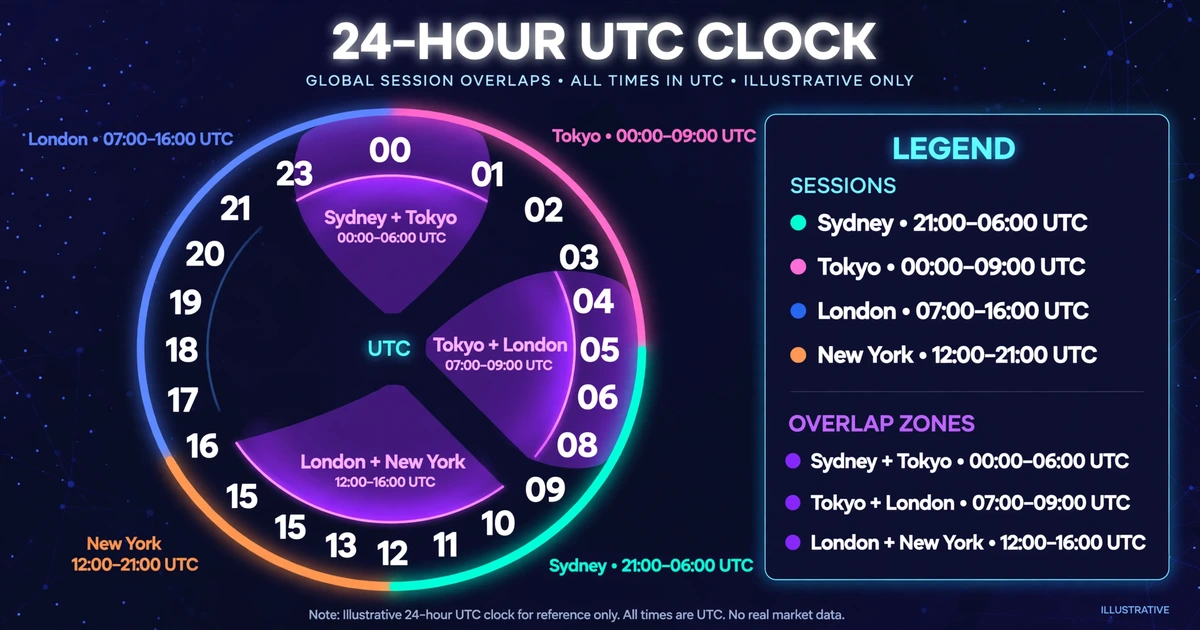
The Four Major Forex Sessions at a Glance
Sydney, Tokyo, London, New York. Those four city names are enough to read the forex day, once you know what each one adds to the clock. The four major forex sessions aren’t official exchange hours. They’re labels for the stretch when one financial center’s business day is in full swing.
This is a reference card you can come back to. Each session gets its hours in UTC, its home currencies, and its usual character, followed by the overlaps and the downsides each one carries.
Where Each Session Starts and What It Favors
- Sydney opens the trading day, typically 22:00–07:00 UTC in winter. Liquidity is thin, and Australian and New Zealand dollar pairs get the attention.
- Tokyo runs roughly 00:00–09:00 UTC, with the yen and regional data in focus.
- London runs roughly 08:00–17:00 UTC and is usually the deepest session for euro, sterling, and Swiss franc pairs.
- New York runs roughly 13:00–22:00 UTC. US data and dollar flows dominate, and activity fades after London closes.
- These hours are conventions, and London, New York, and Sydney shift by an hour when their clocks change.
The Reference Card: Hours, Home Currencies, and Feel
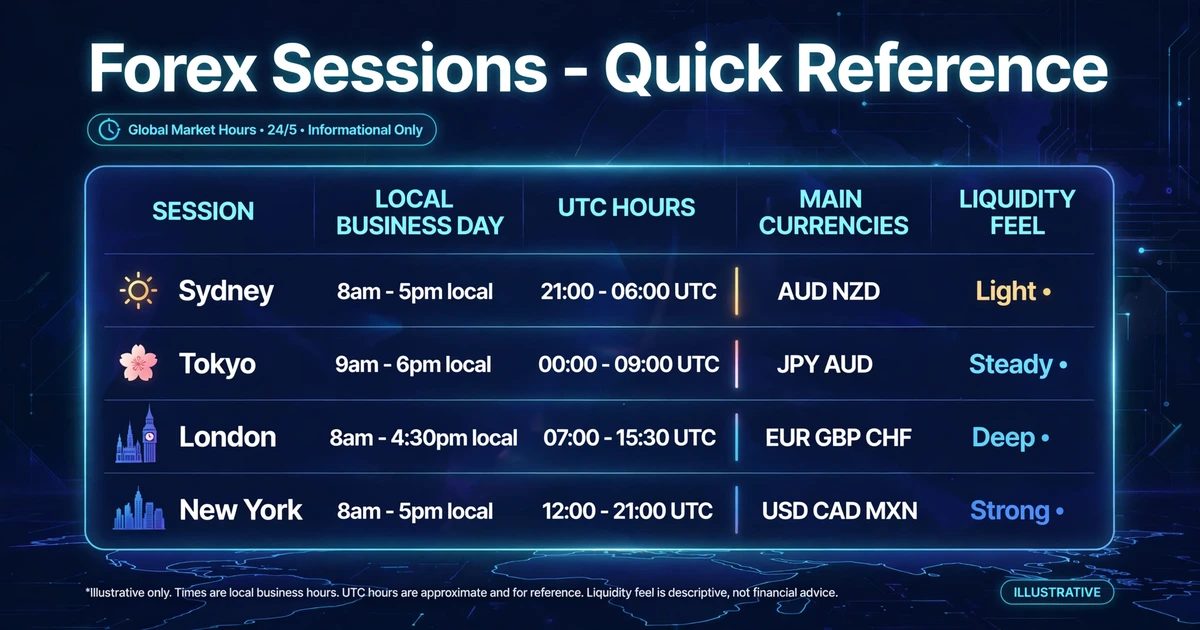
UTC (Coordinated Universal Time) stays the same all year, so it’s the safest way to compare sessions. The UTC column shows northern-hemisphere winter and Sydney’s winter (roughly April to October).
| Session | Local business day it mirrors | UTC hours | Currencies in focus | Liquidity feel |
|---|---|---|---|---|
| Sydney | About 8 a.m.–5 p.m. in Sydney | 22:00–07:00 | AUD, NZD | Thin, especially at the start |
| Tokyo | About 9 a.m.–6 p.m. in Tokyo | 00:00–09:00 | JPY, AUD, NZD | Moderate; steady on yen pairs |
| London | About 8 a.m.–5 p.m. in London | 08:00–17:00 | EUR, GBP, CHF | Deepest for European currencies |
| New York | About 8 a.m.–5 p.m. in New York | 13:00–22:00 | USD, CAD | Strong early, thinner late |
Liquidity (how easily you can trade without moving the price) isn’t fixed. A session that feels quiet one week can surprise the next. For the full 24-hour view, the forex market hours schedule lays the day out hour by hour.
Profiles: Who Shows Up in Each Session
Sydney Opens Thin and Leans Antipodean
Sydney is where the trading day begins after the New York close and the daily rollover. Fewer participants are active, so spreads (the gap between the buy and sell price) can be wider than usual. Australian and New Zealand dollar pairs react to local data, and many traders treat this stretch as a warm-up.
Tokyo Brings the Yen and Regional Data
Tokyo is the main Asian hub, and Hong Kong and Singapore are also large Asian centers, which is why many traders lump Sydney, Tokyo, and the others into a single “Asian session.” Yen pairs and the Australian and New Zealand crosses tend to be most active. Many European pairs stay calmer until London arrives. Ranges that form in these hours are sometimes watched afterward, though a range doesn’t promise a breakout.
London’s Morning Is the Euro and Sterling Show
The BIS Triennial Survey has consistently ranked London as the largest foreign exchange trading center. Euro, sterling, and Swiss franc pairs generally have deep liquidity here, spreads on major pairs are often tighter, and many daily trends and reversals begin as European desks come online. European data releases tend to land in the early hours of the session.
New York: US Data First, a Fade After London Leaves
The US dollar sits on one side of most major trades, so New York matters for nearly every major pair. Key US reports, such as employment data, often come out at 8:30 a.m. New York time. After London closes, activity usually thins, and the late New York hours can feel quiet. Canadian dollar pairs also respond to US and Canadian data during this session.
Pairs Tend to Follow Their Home Clocks
| Session | Pairs traders often watch |
|---|---|
| Sydney | AUD/USD, NZD/USD, AUD/NZD |
| Tokyo | USD/JPY, AUD/JPY, EUR/JPY |
| London | EUR/USD, GBP/USD, EUR/GBP, USD/CHF |
| New York | EUR/USD, USD/CAD, USD/JPY |
A pair can trade at any hour. This table shows where its home currencies are most active. For how pairs are grouped by size and liquidity, see major, minor, and exotic currency pairs.
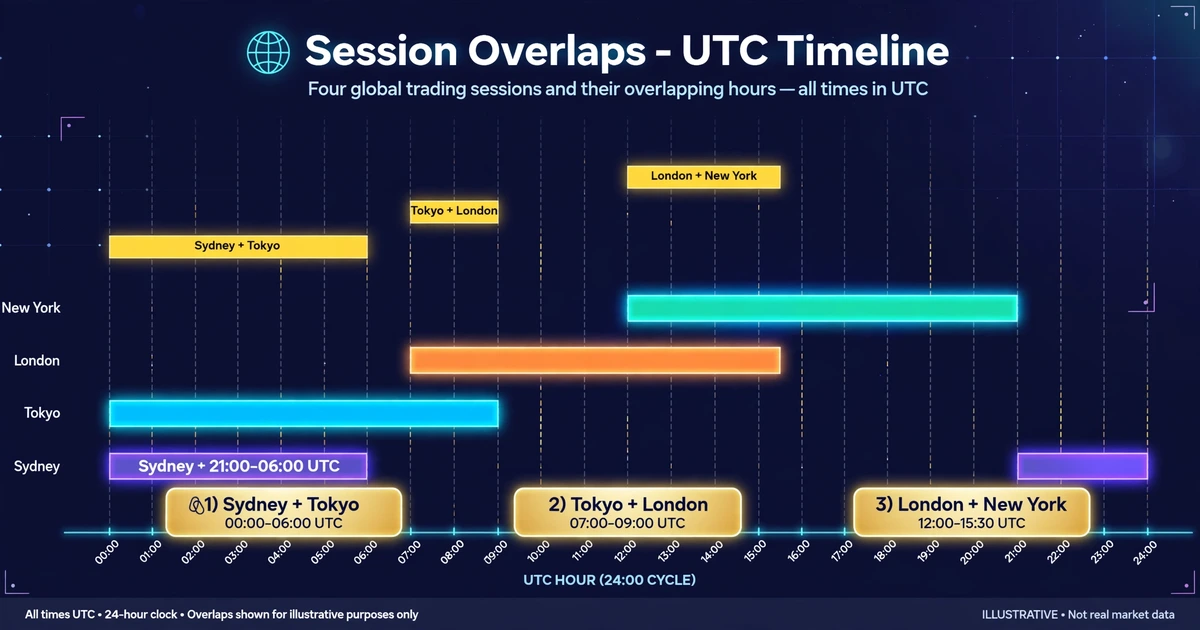
Where Sessions Touch: The Three Overlaps
- Sydney–Tokyo (about 00:00–07:00 UTC in winter): the longest overlap, though not the busiest. During Australian daylight saving it shortens to about six hours.
- Tokyo–London (about 08:00–09:00 UTC in winter): a short window as Asia hands over to Europe. Quick moves are common as European desks take over, but there’s no guarantee.
- London–New York (about 13:00–17:00 UTC in winter, 12:00–16:00 in summer): four hours when the two deepest centers are both open. This is typically the busiest part of the day for EUR/USD, GBP/USD, and USD/CAD.
The US and UK switch clocks on different weekends, so for a few weeks each spring and autumn, the London–New York overlap runs about five hours instead of four.
Busy doesn’t mean easy. Faster markets can hit stops more often, and slippage (the difference between the price you expected and the price you got) can grow during news.
For the broader picture of how the sessions fit together, see forex trading sessions explained.
Four Sessions on a Johannesburg Clock
Suppose a trader in Johannesburg (UTC+2, with no daylight saving) can trade between 15:00 and 17:00 local time. Here’s how the sessions line up with a UTC+2 clock:
| Session | Winter, UTC | Winter, Johannesburg | Summer, UTC | Summer, Johannesburg |
|---|---|---|---|---|
| Sydney | 22:00–07:00 | 00:00–09:00 | 21:00–06:00 | 23:00–08:00 |
| Tokyo | 00:00–09:00 | 02:00–11:00 | 00:00–09:00 | 02:00–11:00 |
| London | 08:00–17:00 | 10:00–19:00 | 07:00–16:00 | 09:00–18:00 |
| New York | 13:00–22:00 | 15:00–00:00 | 12:00–21:00 | 14:00–23:00 |
In winter, 15:00–17:00 in Johannesburg falls inside the London–New York overlap (15:00–19:00 local). In summer, the overlap moves to 14:00–18:00 local, so the same two hours still fall inside it, now with the overlap’s first hour already gone.
The Johannesburg clock never moves, but the sessions do. That’s why a trader with a fixed schedule should recheck the table after each clock change.
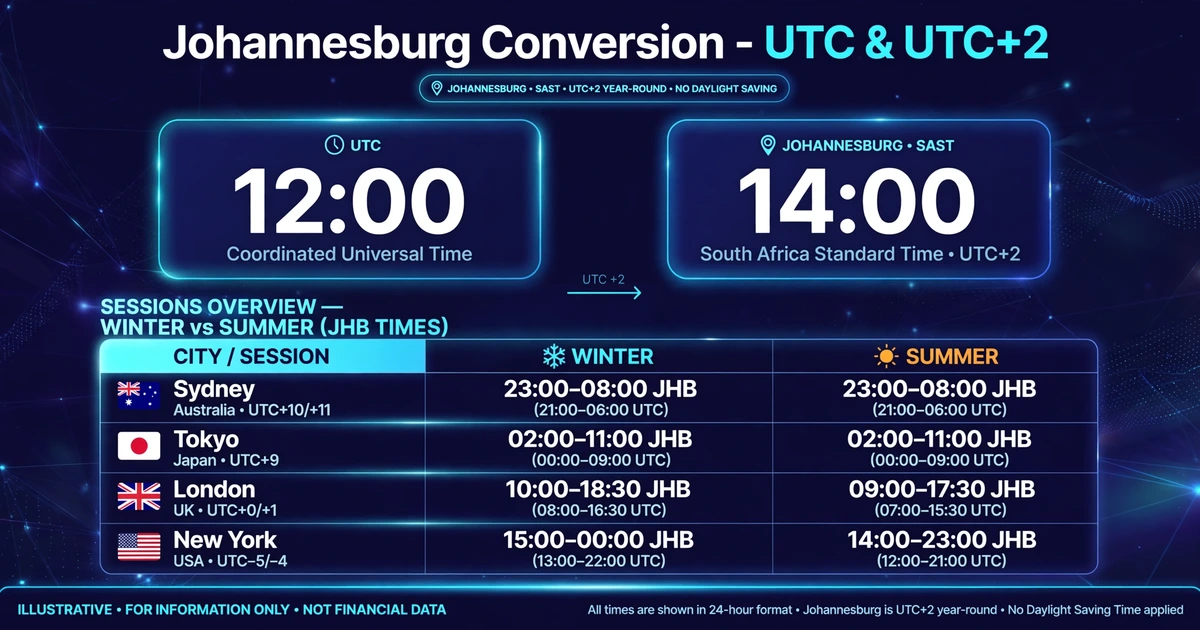
This is a hypothetical example for illustration only.
Session Labels Don’t Mean What Beginners Assume
- “The sessions are official hours.” They’re informal conventions. No exchange or regulator defines them.
- “The Asian session means Tokyo only.” The label usually bundles Sydney, Tokyo, and other Asian centers.
- “The market is closed when my session is.” The market is open continuously on weekdays. A session is just where activity is concentrated.
- “London always breaks out at the open.” Sometimes it does, and sometimes price drifts. Treat any pattern as something to test, not a rule.
- “My chart shows UTC.” Many platforms use a broker server offset such as GMT+2 or GMT+3. Check which clock yours follows.
The Downside Built Into Each Session
- Sydney: thin liquidity can widen spreads, and small orders can move price more than expected.
- Tokyo: policy news from Japan or Australia can cause sharp moves in otherwise quiet hours.
- London: the opening hour can produce quick swings that run through stops before settling.
- New York: scheduled data can move price within seconds, and fills can slip.
- Rollover and gaps: around 5 p.m. New York time, spreads can widen briefly, and price at the Sunday open can differ from Friday’s close. A stop-loss can fill beyond your set price.
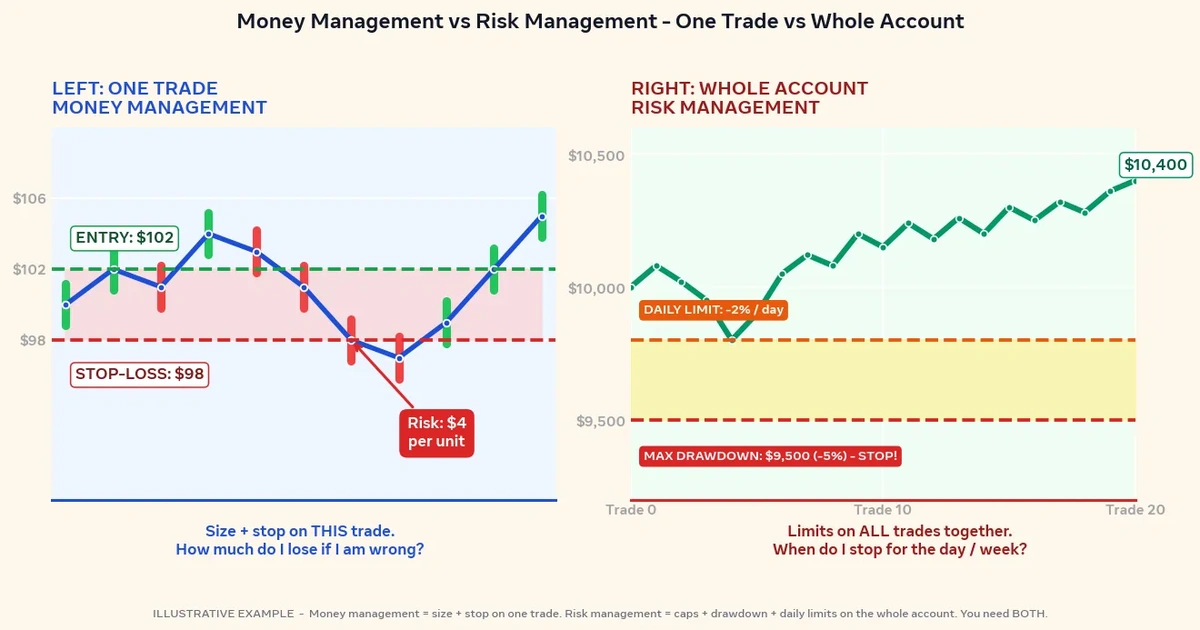
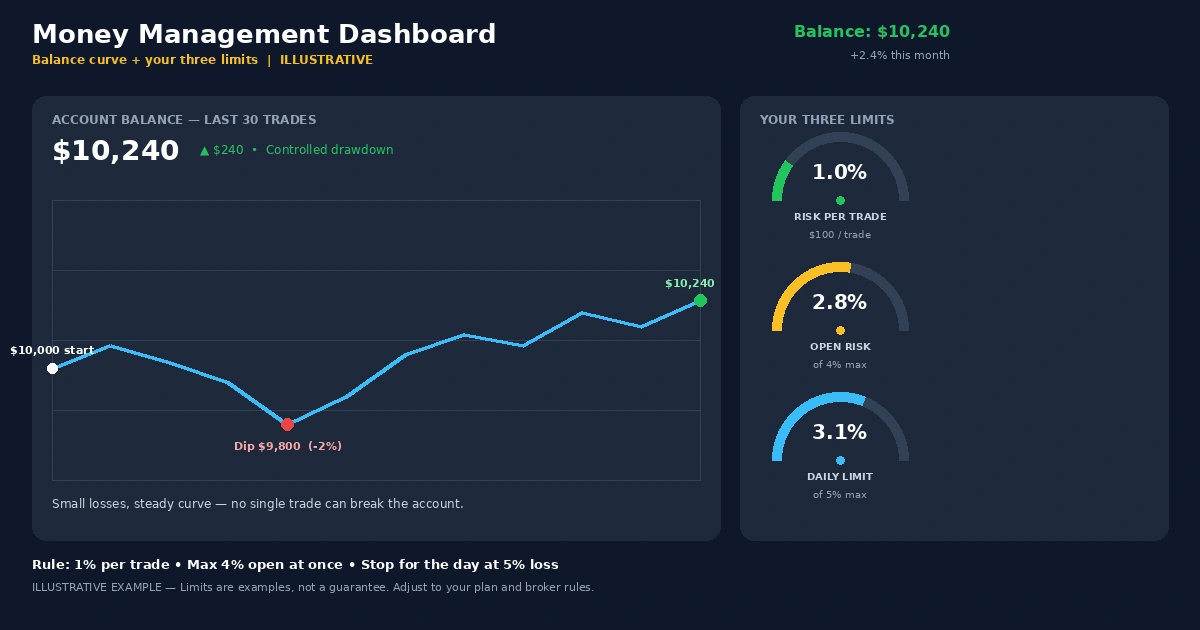
- Leverage: it magnifies gains and losses alike, so a fast overlap move can cost more than expected. Some traders can lose their entire deposit. The forex risk management complete guide covers how to size and limit exposure.
What People Type Into Search Boxes About the Four Sessions
What are the four major forex sessions?
Sydney, Tokyo, London, and New York. Each follows its local business day, and together they keep the market active around the clock from the Sunday evening open to the Friday evening close in UTC.
Which forex session is the largest?
London generally is, based on BIS survey data on trading centers. The London–New York overlap is often the busiest stretch of the day. Activity varies by pair and over time, so check the pair you trade.
Do the forex sessions overlap?
Yes. Sydney and Tokyo overlap for several hours, Tokyo and London for about one hour, and London and New York for about four. Clock changes can stretch or shrink some of these.
Which pairs are most active in each session?
Australian and New Zealand dollar pairs in Sydney, yen pairs in Tokyo, euro and sterling pairs in London, and dollar pairs in New York. A pair’s activity follows the business hours of its home countries.
Does the Tokyo session count as the Asian session?
Often, yes, though “Asian session” usually bundles Sydney, Tokyo, and other Asian centers. Traders use the labels loosely, so check which UTC hours someone means.
Shade the Boundaries, Then Scroll Back
The four sessions are four handovers on a single rotating clock. Before you rely on any of them, put vertical lines on a one-hour chart at the four session boundaries in UTC, then scroll back through the last two weeks. Notice where candles grow and where they shrink for your pair. A few days of that will teach you more than any list of “good hours.”
Disclaimer
This article is for educational purposes only and is not financial advice. Forex and CFD trading involves a high level of risk, and you can lose some or all of your capital. Leverage can magnify both gains and losses. Never trade with money you can’t afford to lose.
Join now
Comments (0)
Be the first to comment.