Strategies
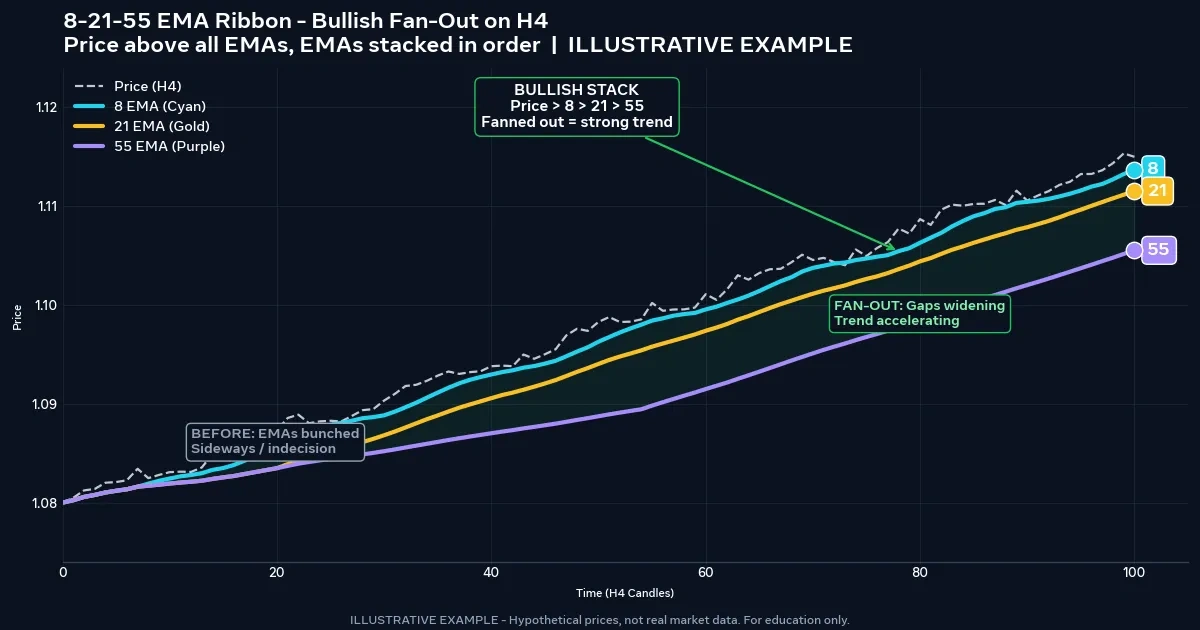
8, 21, and 55 EMA Trading Strategy: Rules, Entries, and Risk
Three EMAs, one ribbon: how to read alignment, time pullback entries to the 21 EMA, place stops past the 55, a...
Read More →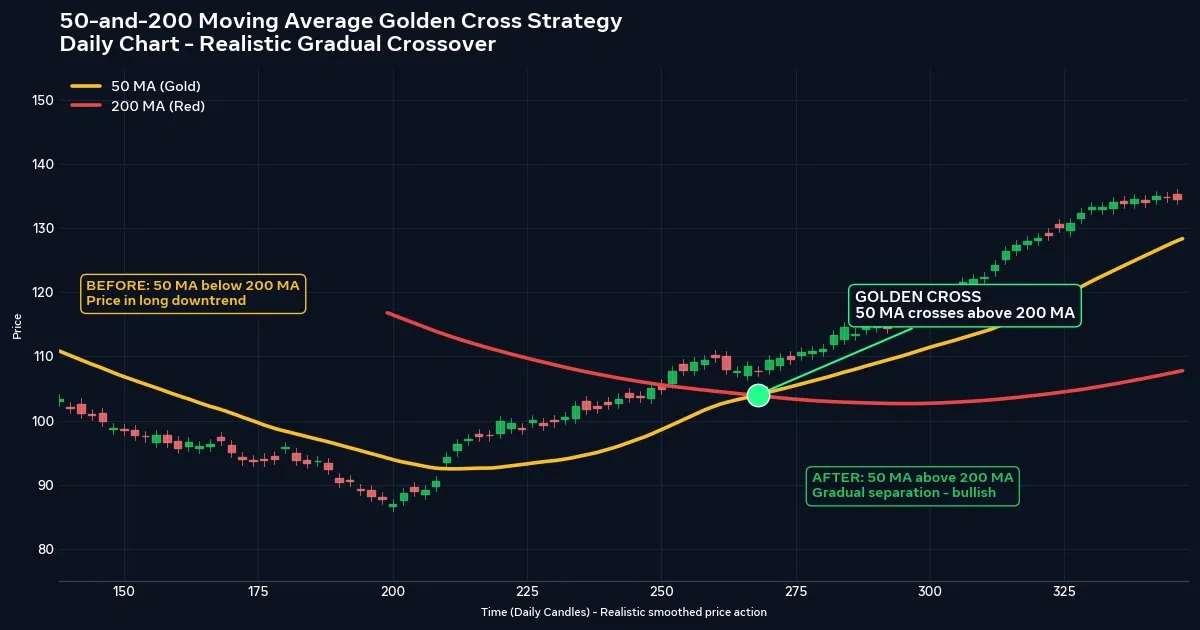
50 and 200 Moving Average Golden Cross Trading Strategy
The slowest popular crossover. See the rules, how much of a move is already gone at the cross, a priced EUR/GB...
Read More →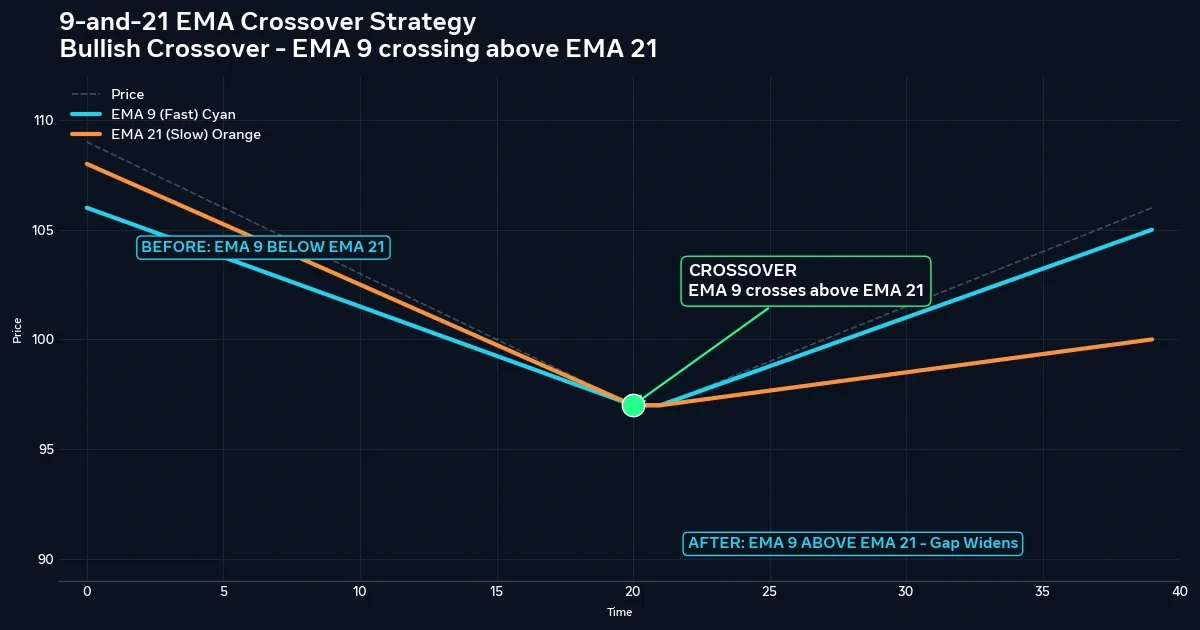
9 and 21 EMA Crossover Trading Strategy
A popular mid-fast EMA pair. See the rules, a priced USD/CHF trade, a hypothetical month of results, and why c...
Read More →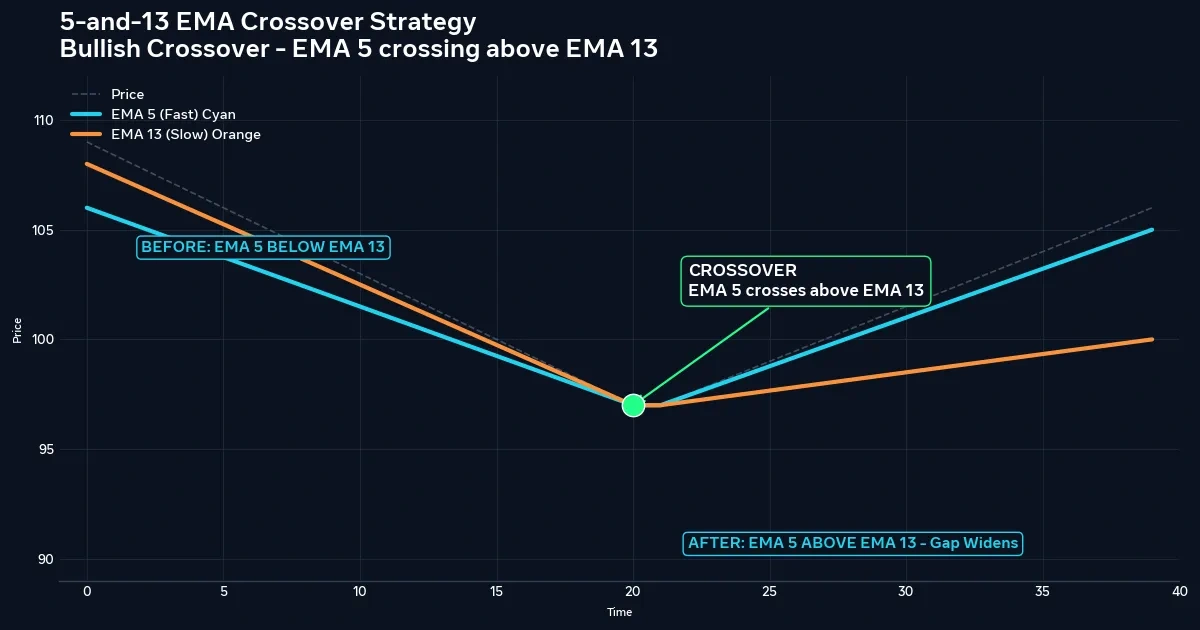
5 and 13 EMA Crossover Trading Strategy
The fastest common EMA pair. See the rules, a priced scalp, the break-even math, and why spread costs and chop...
Read More →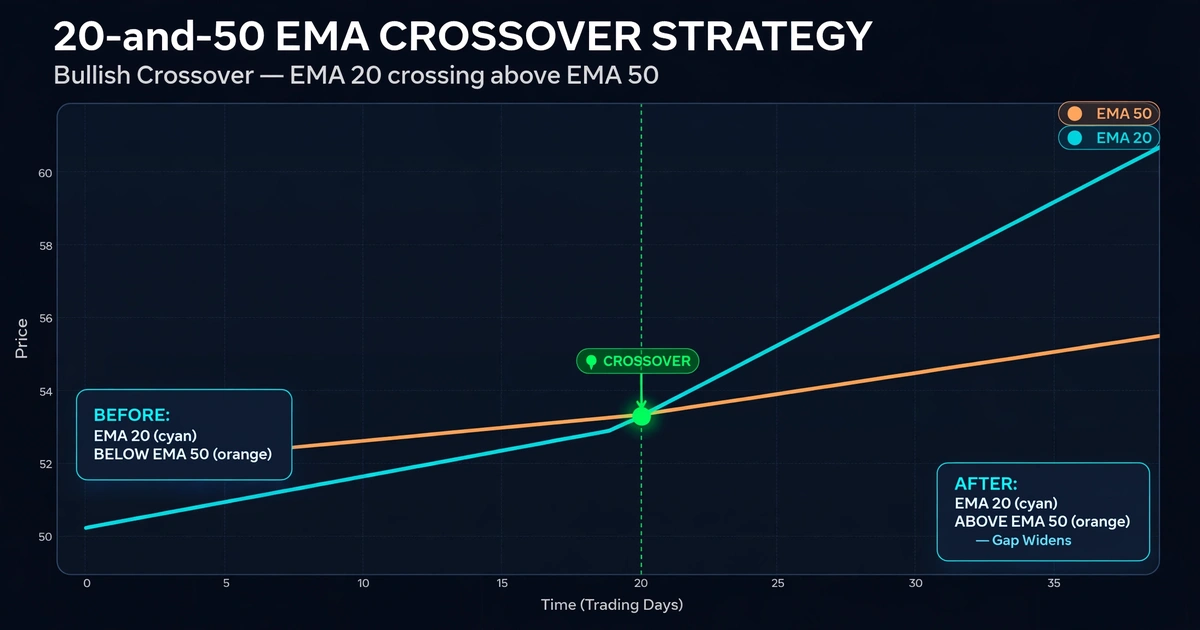
20 and 50 EMA Crossover Trading Strategy
A mid-speed EMA pair for trend traders. See the rules, a priced USD/JPY example, and why choppy markets are th...
Read More →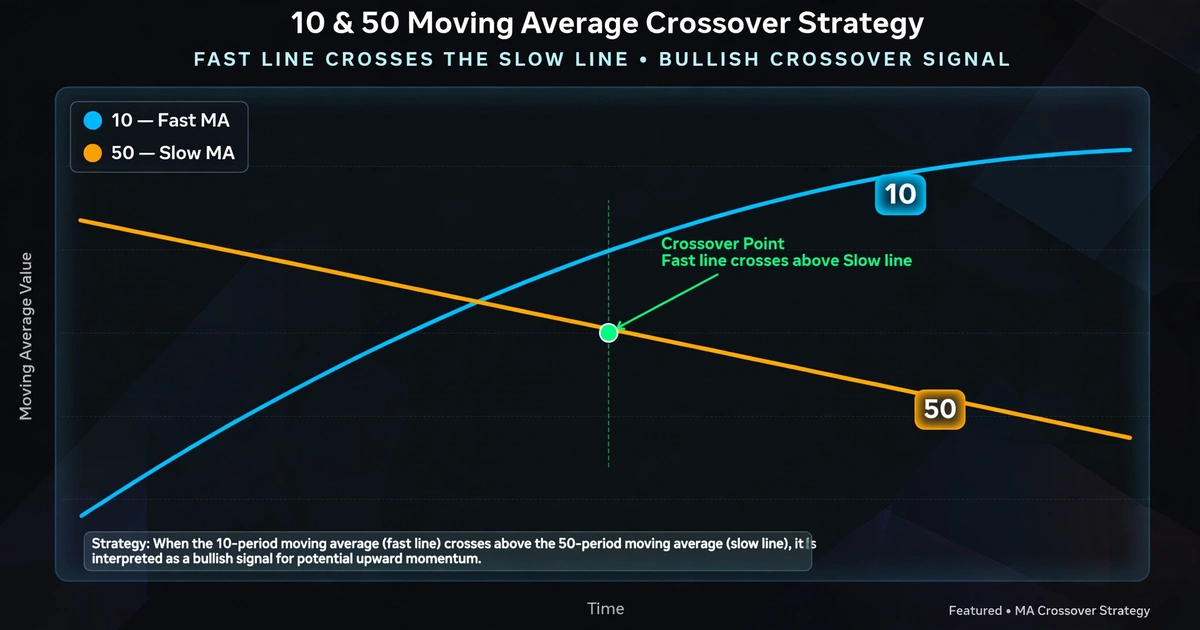
10 and 50 Moving Average Crossover Trading Strategy
Two averages, one cross. Learn the entry, stop, and exit rules for the 10/50 moving average crossover and why...
Read More →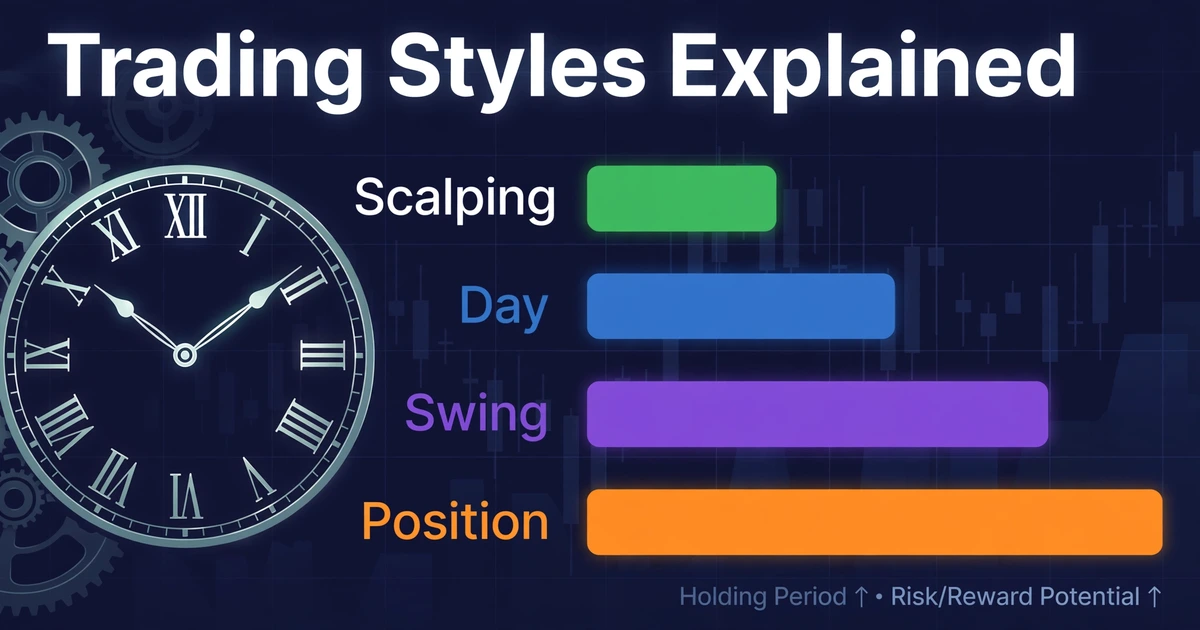
Trading Styles Explained: Scalping, Day, Swing, and Position Trading
Four trading styles, four different clocks. Learn how timeframe, costs, and trade count change as you move fro...
Read More →
How to Choose Your Trading Style: A Practical Guide
Stop copying someone else’s chart screenshots. Use four filters and a 30-trade trial to find a trading style y...
Read More →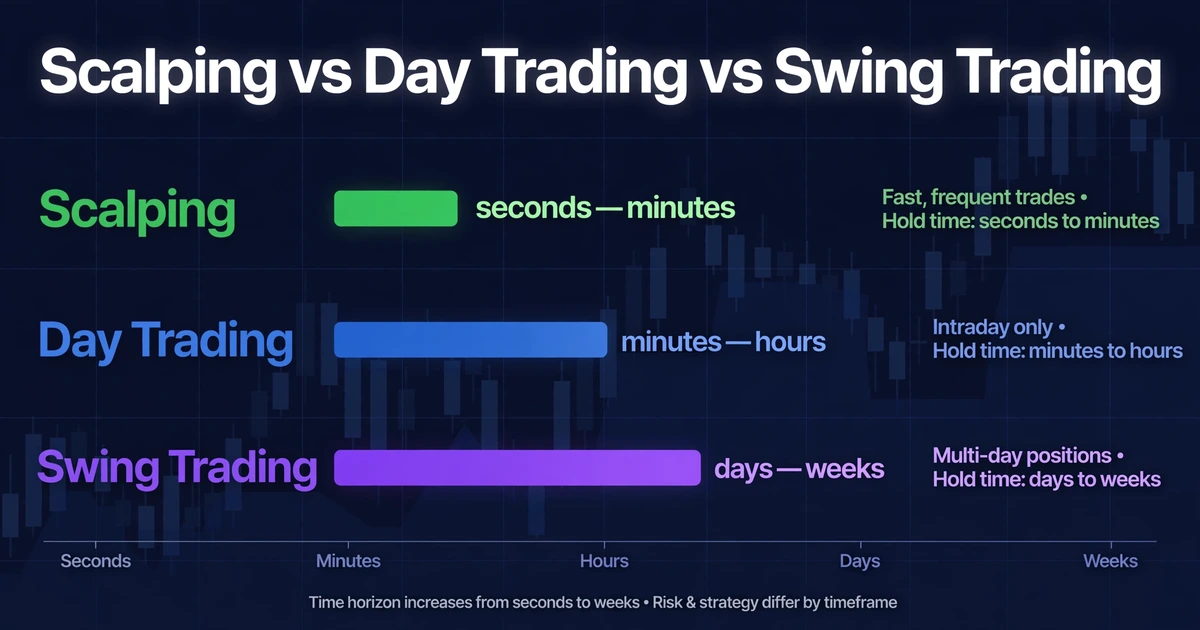
Scalping vs Day Trading vs Swing Trading: Which Style Fits You?
Three styles, three clocks. See how hold time changes costs, stress, and position size, and which style suits...
Read More →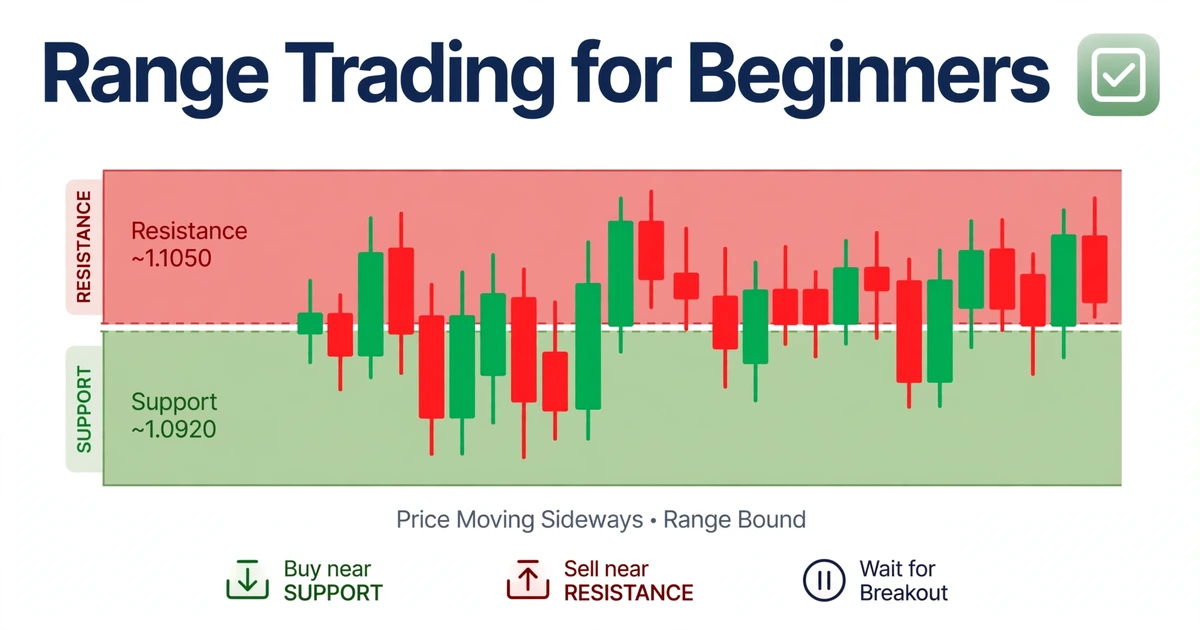
Range Trading for Beginners: A Complete Guide
A first range trading system in plain English: draw the box, test it, enter on a rejection, size from the stop...
Read More →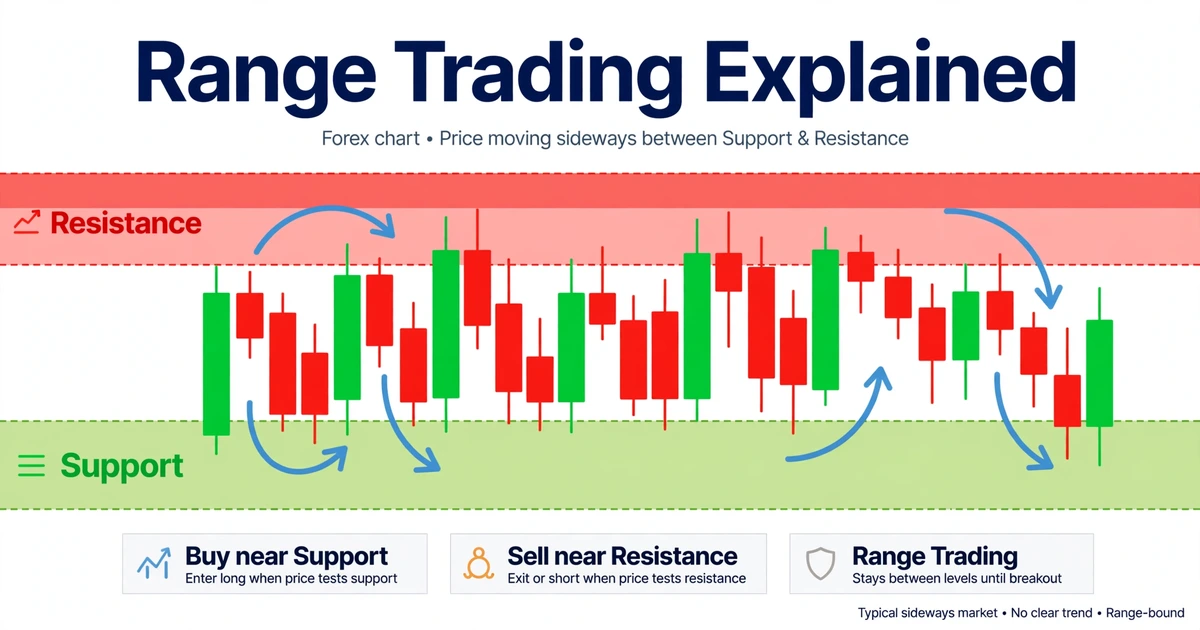
Range Trading Explained: How to Trade Sideways Markets
Buy near the floor, sell near the ceiling, and know what to do when the box breaks. A step-by-step range metho...
Read More →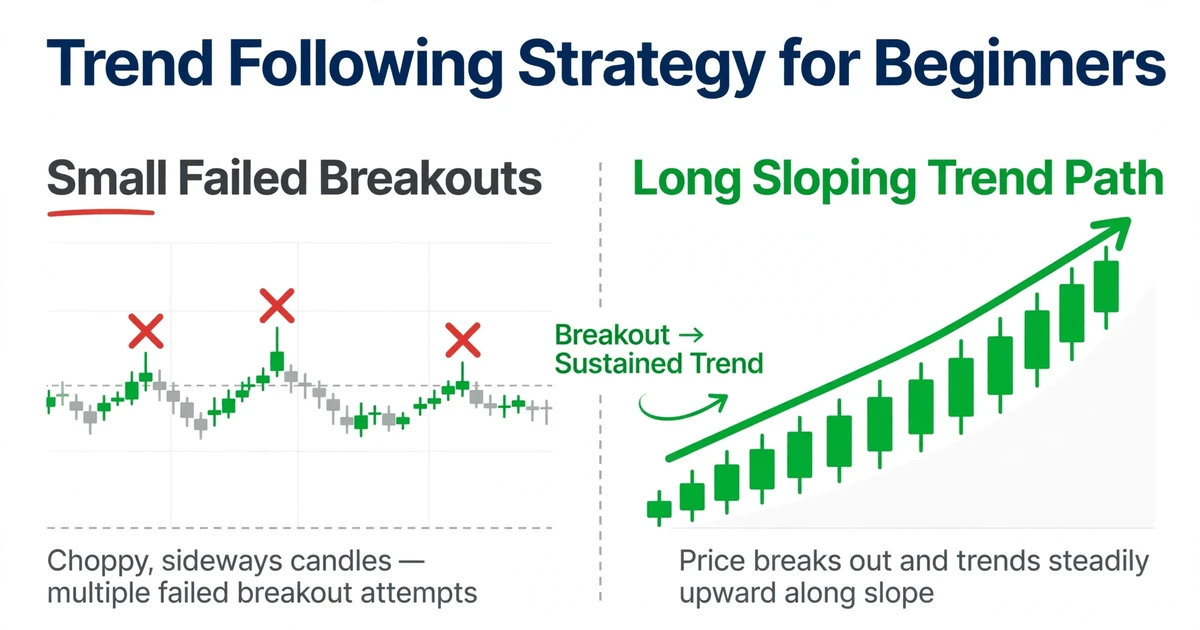
Trend Following Strategy for Beginners: A Complete Guide
Why trend followers lose most trades yet can still show positive expectancy: a five-rule system, a hypothetica...
Read More →